
Hormone Optimization
Normally, when we hear the word “hormones,” we think of estrogen, progesterone, and testosterone. These are what we call sex steroids, a class of hormones manufactured mostly in the ovaries and testes. But the term “hormones” refers more broadly to chemical messengers that travel through the bloodstream to control and coordinate bodily functions. Most are made in glands. Some hormones are steroids (made from a cholesterol backbone), others are peptides (strings of amino acids), and still others are called amino acid derivatives.
Some hormones exert their actions by connecting with receptors on the outer surfaces of cells. Others connect with surface receptors that take them inside the cell to the nucleus to trigger certain proteins (including enzymes) to be made.
The human body makes over 50 hormones. More are being discovered all the time. For a long time, vitamin D was thought to be a vitamin, i.e. a molecule that is essential for bodily function and has to come from diet because it cannot be synthesized by the body. Once scientists discovered that it is made in the body from cholesterol and converted into its active form in the kidneys and skin (under the influence of the sun), they realized it is actually a hormone. But the powers that be decided not to confuse the lay public by recategorizing it as a hormone instead of a vitamin.
When the body produces too much or too little of a hormone, this imbalance can affect the function of specific organs, or it can affect every living cell in the body. For this reason, the body has a variety of checks and balances that enable it to control hormone levels within optimal ranges: not too much, not too little, just right. Unfortunately, this tight balance is often disturbed by toxins, infections, trauma, and even emotions. To the extent that you can, it is always best to identify why a hormone is out of balance and solve the underlying problem. In other circumstances, you may need to take the hormone. This is called hormone replacement or hormone supplementation. When you do not make enough vitamin D3, for example, optimizing your level requires supplementation. You are adding to what your body makes. When you take testosterone, on the other hand, you are replacing the testosterone you aren’t making. And while you are taking testosterone, your body stops producing it because your brain sees that you have enough. The same thing happens with thyroid hormones. If you stop taking testosterone or thyroid hormones, your body goes back to what it was doing before: making some, but not enough for your needs.
When you are not making enough of a hormone for your body’s optimal function, hormone replacement or supplementation can be life changing. This may be a good option when:
- The underlying cause of the deficiency is not yet known, at least not in your case
- The cause of the deficiency is going to take time to repair, and you need optimal hormone activity in the meantime
- The cause of the deficiency is permanent, such as from surgery (thyroidectomy, hysterectomy, etc.), injury (head trauma), infection (Mumps orchitis), end-stage autoimmune disease (Type 1 diabetes, Hashimoto’s thyroiditis, Grave’s disease, Addison’s disease), etc.
- Fixing the cause may be too expensive or difficult in your circumstances.
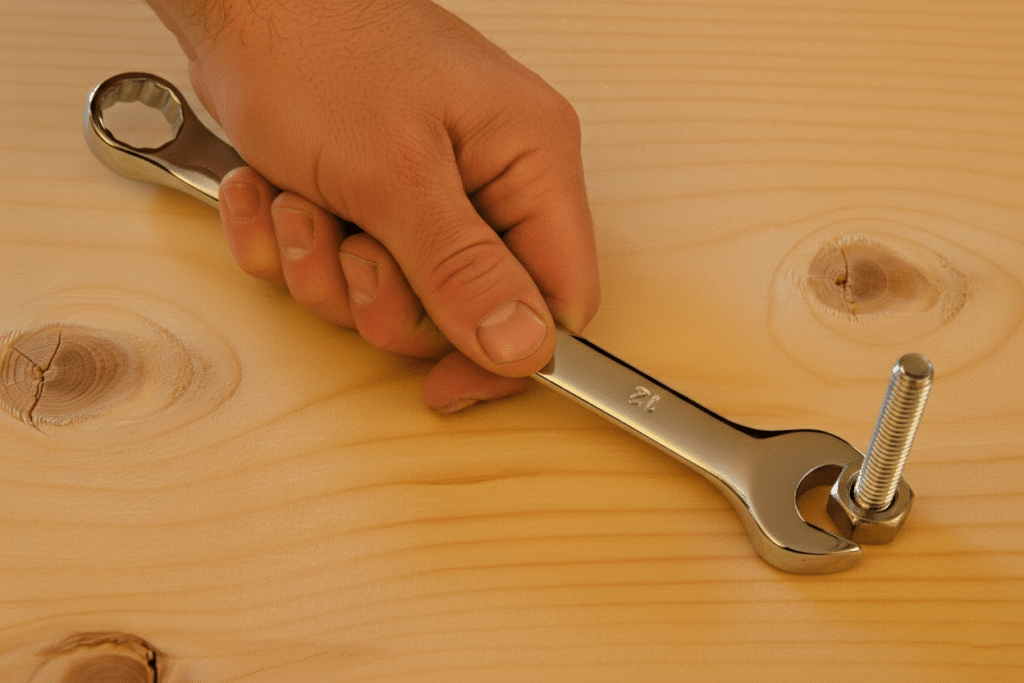
Regardless of the reason for taking a hormone, you want as much as possible to take real hormones, not chemicals made similar to hormones but different enough to make them patentable as drugs. Suppose you have a ½” nut and you can’t find your ½” wrench. You could use your 13mm wrench to tighten or loosen the nut, but you are likely to damage the nut. Similarly, hormones were designed to fit cell receptors exactly. If you are taking something that does not have the exact chemical structure as your natural hormones, you are going to experience some of the benefits, but you won’t experience all the benefits, and you will experience risks that aren’t good for you. For example, if you are lacking progesterone, you are best off taking pure progesterone. If you take the drug medroxyprogesterone acetate (also known as Provera), you will in fact protect your uterine lining from developing cancer. But instead of getting the rest of the benefits of progesterone—such as reduced breast cancer, blood clots, and strokes—you will get the opposite. Taking a drug instead of a hormone is called “hormone substitution” instead of “hormone replacement.”
How you take hormones can be just as important as which hormones you take. Taking estrogens or testosterone by mouth increases your risk of liver and heart disease. Taking them by cream (on your skin) or pellets (beneath your skin) reduces those risks. How often you take a hormone is important, too. Some can be administered once a week, once a month, or once every several months. Others have to be taken twice or several times a day to have optimal effectiveness. You wouldn’t for example, put a coat on to hike in snowy mountains in the morning and then take it off in the evening.
Aside from hormone replacement and supplementation, you may also be able to stimulate your body to produce more of a needed hormone in some cases. The most appropriate approach depends on the hormone and your specific circumstances.
On the other hand, you may produce too much of a hormone, such as thyroid, estrogen, parathyroid hormone, cortisol, DHEA, or insulin. Too much of a good thing can be just as unhealthy as too little. The optimal treatment depends on the hormone and the cause.
Although there are dozens of hormones in the body, the ones we focus the most on at Prestige Wellness Institute include:
- Vitamin D3
- Testosterone
- Estradiol
- Progesterone
- Insulin
- Cortisol
- DHEA
- Melatonin
- Growth Hormone
If you suspect one or more hormones may be out of balance, don’t guess! Come in for a proper evaluation so you can get to the bottom of your problem and get back to living your best life!